How The Field Center Shaped My Approach to Working with Emerging Adults in Higher Education
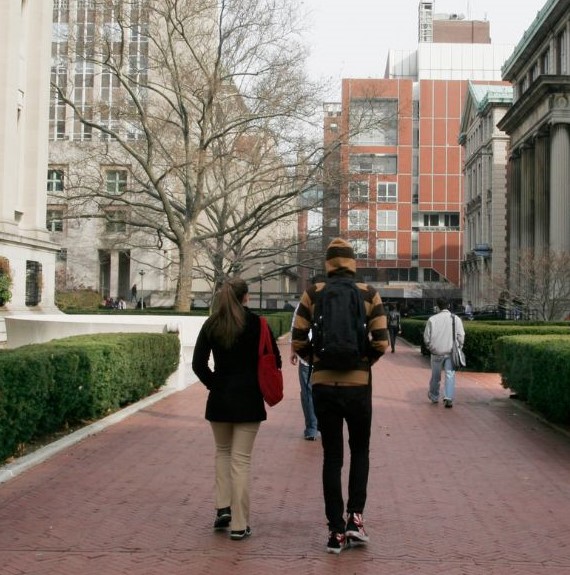
If you were to look at my employment history, you would see that all the roles I have held so far have been in service to older youth in school-based settings. I am particularly passionate about working with teenage and young adult populations because they are in a period of expansive personal growth. They are discovering and reflecting on who they are, who they want to become, and are beginning to build the foundations for the rest of their adult lives.
My interests in supporting older youth dovetailed well with The Field Center as a summer intern, where I contributed to communications efforts and special projects. I gained a wealth of insight about youth aging out of foster care and the unique circumstances they face as emerging adults, which has informed my work approach as a student-facing program administrator in higher education. I am fortunate to have expanded my theoretical understanding of child welfare and developed a store of resources on which to lean to better guide students on their learning journeys.
Caring Campus Adults Support Youth in Times of Transition
The Field Center recently launched a research project titled, “Who Stayed? Lasting Connections After Foster Care,” a qualitative interview study on relational permanence and the impact of having at least one caring adult after leaving foster care. I contributed to the study’s literature review, providing important context and grounding for The Field Center’s conversations with youth aging out of foster care and their adult mentors.
This exposure to a variety of studies and scoping reviews influenced me to reflect on the ways in which I show up for students—particularly those who are at a systemic disadvantage. I have asked myself to consider:
- In what ways am I laying the groundwork to build meaningful, supportive connections with students?
- How does the relationship I have with a student bolster their individual personal growth and their intellectual independence? What behaviors and mindsets am I instilling in students when advising and working with them?
- Are there ways I can continue to cultivate and encourage the student to grow the meaningful relationships they have with other adults they have in their lives?
- Can I connect with those adults—whether they be other campus staff, their parents, a former coach, a former teacher—and become a part of a student’s web of care?
These are questions that have guided my interactions and relationship-building processes with students, particularly first-year undergraduates, students with experience in the foster care system, or students who may be the first in their families to attend college.
Facilitating Belonging for Students Experiencing Foster Care (SEFC)
Foster Care to College (FC2C) is an ongoing initiative led by The Field Center aiming to improve higher education outcomes for students experiencing foster care (SEFC), including supporting colleges and universities across the Commonwealth of Pennsylvania in the development and operation of campus-based programs for these students. As part of its FC2C activities, The Field Center facilitates a quarterly network meeting with child welfare professionals, higher educational personnel, and other community partners to share resources, upcoming events, job opportunities, and research to better serve SEFC.
I was fortunate to attend the summer quarterly meeting, where I joined a room full of dedicated professionals across a variety of roles and institutions. I was especially enthused to hear from Imani Callan of the University of Georgia and Katherine Adams of the University of North Georgia on their recent scholarship (The Scarlet F: Students Experiencing Foster Care’s Sense of Belongingness and Othering through Precollegiate Experiences), now available in a special edition of the Child Welfare Journal. A key takeaway from their presentation was the importance of placing student perspectives at the heart of programming. Imani and Katherine’s findings encourage us as higher-education professionals to “necessarily incorporate” SEFC’s voices to promote student belonging on campus and academic readiness, and to lean on their expertise to facilitate SEFC’s integration to the broader student body without ‘othering.’
Conclusion: The Difference that Higher-Ed Professionals Can Make in a Student’s Life
As a Social Policy student, I have geared most of my degree experience around systems and policies that provide the legal structures for people’s lives. But my experience with The Field Center presented the opportunity to consider how practice on the individual level can make an equally important impact. The relationships that we build with others are what color, give shape to, and fill in the gaps that are often left unconsidered by state and federal policies. The work that I can do as a higher-ed professional can make a world of difference for vulnerable youth navigating their path to independence, and the opportunities I pursued with The Field Center provided the training and mindset I need to further improve youth outcomes.